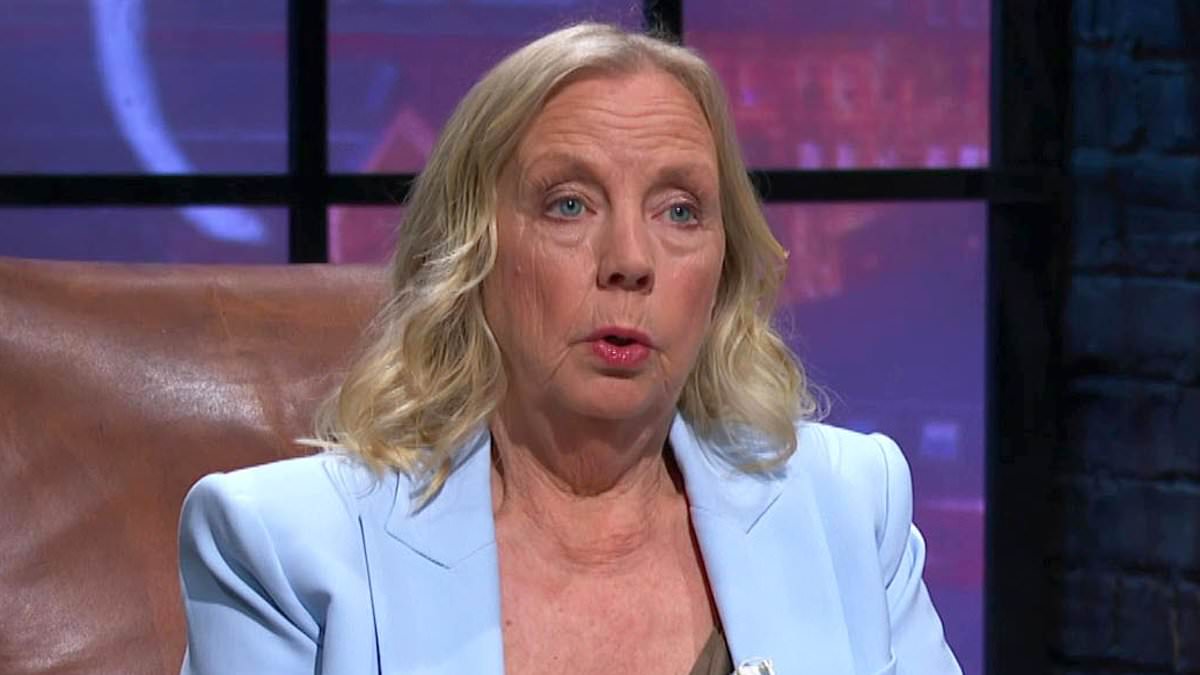
Deborah Meaden Controversy: Unpacking the Online Row and Allegations
Deborah Meaden, the formidable businesswoman renowned for her astute investments on BBC's *Dragons' Den*, has found herself at the centre of a significant online storm. Known for her no-nonsense approach in the boardroom, Meaden's recent social media activity has sparked a fervent debate, leading to accusations of spreading misinformation and aligning with controversial narratives. This article delves into the specifics of the controversy, examining the allegations and exploring the broader implications for public figures in the digital age.
The Business Acumen of Deborah Meaden – And a Note on 'Debra Meadon'
Before delving into the details of the recent controversy, it’s essential to establish the identity and background of the figure in question. Deborah Sonia Meaden, born on 11 February 1959, is a prominent British businessperson and television personality. Her journey from humble beginnings to a multimillion-pound empire is a testament to her entrepreneurial spirit. After leaving school at 16, Meaden embarked on various ventures, including a glass and ceramics export agency in Italy and one of the first Stefanel textile franchises in the UK.
Her most notable business success came with Weststar Holidays, a family holiday park operator. Joining in 1992, she led a management buyout in 1999, eventually selling her majority stake in a deal worth £33 million in 2005, followed by the liquidation of her remaining stake for approximately £19 million in 2007. This impressive track record paved the way for her role as a 'Dragon' on *Dragons' Den*, where she has become a household name, respected for her sharp business insights and commitment to ethical practices. You can learn more about her impressive career and pivotal role on the show by reading
Deborah Meaden: Dragons' Den Star's Business Journey and exploring
Deborah Meaden's Weststar Holidays: A Multimillion Success.
It is crucial to note that while some online searches or discussions might refer to her as "Debra Meadon," the correct spelling and identity of the person involved in this public dispute is Deborah Meaden. There is a British long-distance runner named Debra Mason, but she is a distinct individual and not the subject of this controversy. This clarification is important to ensure accuracy and avoid confusion regarding public figures.
The Heart of the Online Row: Allegations and Statements
The recent controversy surrounding Deborah Meaden ignited following posts she shared online concerning geopolitical events. Specifically, Meaden faced scrutiny for comments made after strikes on Iran, which included criticisms of Israel and a contentious remark calling Donald Trump a 'pervert'. These statements, disseminated on a public platform, quickly drew significant attention and sparked outrage among certain segments of her audience and beyond.
The most severe accusations came from Danny Cohen, the BBC's former director of television. Cohen publicly accused Meaden of spreading 'anti-Semitic conspiracy theories, misinformation and Iran regime propaganda'. These are grave allegations, particularly given Meaden's public profile and the sensitive nature of the topics she commented on. The essence of the row centres on the perceived nature of her online commentary: whether it constituted legitimate political criticism or crossed a line into propagating harmful narratives.
The incident highlights the volatile nature of social media, where comments, even those intended as personal opinions, can be amplified, scrutinized, and interpreted in myriad ways. For someone of Meaden’s stature, with a substantial online following, her words carry significant weight and can quickly escalate into widespread debate and strong reactions.
Navigating Public Discourse: The Challenge for High-Profile Personalities
The Deborah Meaden controversy serves as a stark reminder of the unique challenges faced by high-profile individuals in the digital age. Social media platforms, while offering a direct line to audiences, also present a minefield of potential missteps. What might be considered a casual comment for a private individual can be interpreted as a public stance or even an endorsement when uttered by a celebrity or business leader.
Here are some key considerations for public figures engaging in online discourse:
* **Impact of Influence:** Public figures wield considerable influence, whether intended or not. Their opinions on sensitive topics can sway public perception, incite strong reactions, and potentially lend credibility to certain viewpoints, regardless of the factual basis.
* **Perception vs. Intention:** The intent behind a post can often be lost in translation online. Nuance is frequently absent in short-form content, leading to misinterpretations. A critical comment might be seen as hateful, or an observation as a conspiracy theory.
* **The Echo Chamber Effect:** Social media algorithms often create echo chambers, where individuals are primarily exposed to information that confirms their existing beliefs. When a public figure enters such a space with a strong opinion, it can either be lauded unconditionally or vehemently attacked, often without a balanced consideration of arguments.
* **Responsibility of Platform:** Many argue that with a large platform comes a greater responsibility to ensure the accuracy and ethical implications of shared content. This doesn't necessarily mean refraining from expressing opinions, but rather exercising caution and consideration for the broader impact.
For those in the public eye, managing their online presence effectively means being acutely aware of these dynamics. It often involves a fine balance between authentic self-expression and the careful curation of their public image, especially when discussing contentious issues.
Understanding the Broader Context and Implications
The online dispute involving Deborah Meaden also reflects broader societal tensions regarding freedom of speech, the spread of misinformation, and the responsibilities of media figures. In an era where information flows freely and rapidly, the lines between fact, opinion, and propaganda can become blurred.
Allegations of 'anti-Semitic conspiracy theories' are particularly grave and carry significant historical and social weight. Such accusations necessitate careful consideration and a factual basis. The sensitivity surrounding the Israeli-Palestinian conflict and related geopolitical events means that any public commentary is inherently charged and prone to intense scrutiny.
For individuals, whether public figures or not, engaging in online discussions about such topics requires a commitment to sourcing reliable information, understanding different perspectives, and articulating views respectfully. The speed at which allegations can spread online, potentially impacting reputations and careers, underscores the need for measured and thoughtful engagement.
Conclusion
Deborah Meaden's recent online row illustrates the complex landscape that public figures navigate in the digital age. What started as a series of online posts escalated into serious allegations of misinformation and propaganda, highlighting the immense scrutiny and responsibility that come with a prominent platform. While the full implications of this controversy continue to unfold, it serves as a powerful reminder of the delicate balance between personal expression and public accountability. For Meaden, a figure celebrated for her business acumen, this online episode offers a different kind of lesson – one in the profound impact of words in an interconnected, often polarized, world.